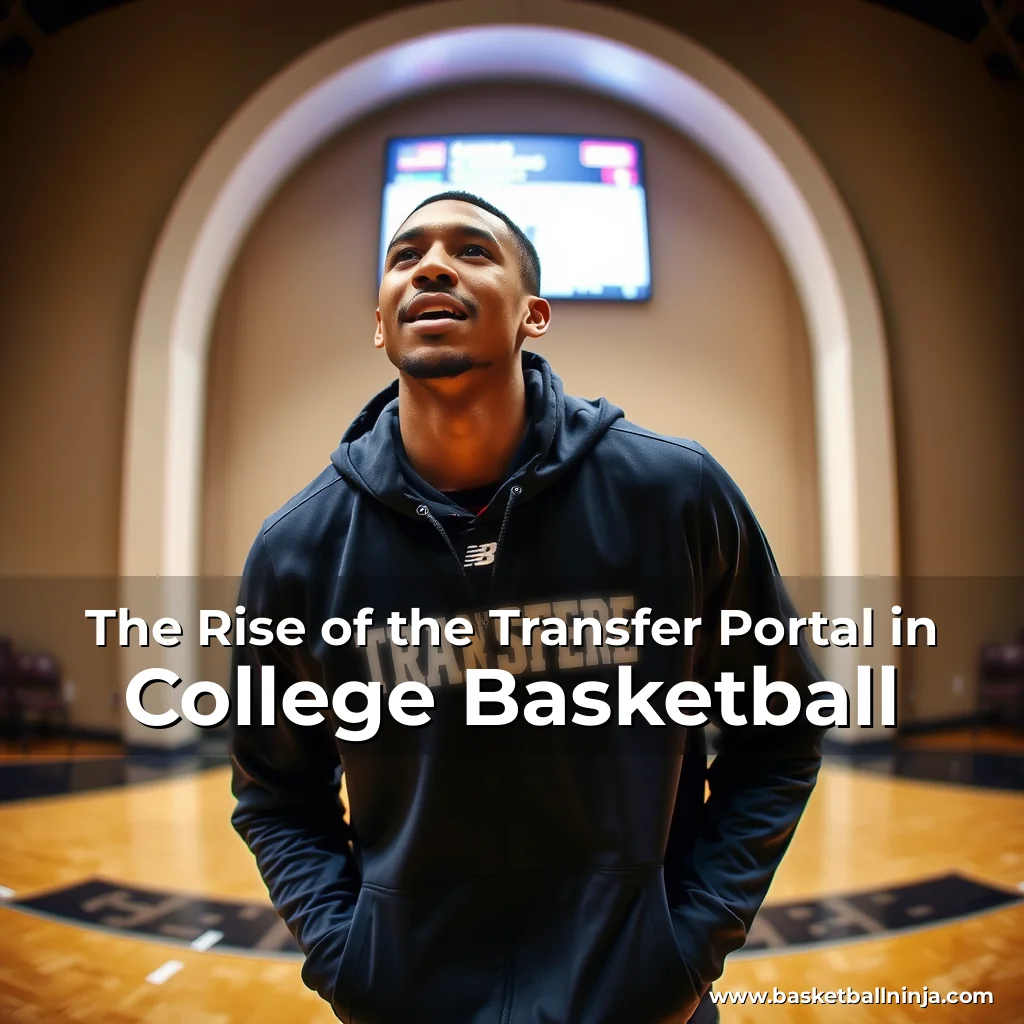
**The Power of Transfer Portals in College Basketball**
The NCAA transfer portal has had a profound impact on college basketball, transforming the way teams build their rosters and athletes navigate their careers. The introduction of the portal in 2018 has allowed student-athletes to transfer to a new program and play immediately, rather than sitting out for a season.
The Benefits of the Transfer Portal
• Allows for more dynamic roster-building
• Enables coaches to address immediate gaps and specific needs
• Permits athletes to transfer and play immediately
• Provides athletes with increased mobility and flexibility
The Transfer Portal and NIL: A Winning Combination
The emergence of Name, Image, and Likeness (NIL) has added a new layer of complexity to the transfer portal landscape. Athletes can now profit from their personal brands, giving them increased leverage in their choice of where to play. For players on Florida’s roster, the decision to transfer is not solely about basketball; it also involves opportunities both on and off the court. Competing in the SEC, along with Florida’s robust NIL infrastructure, provides visibility, competitive play, and potential financial rewards.
The NIL Era: A New Dynamic in College Basketball
The combination of the transfer portal and NIL has transformed college basketball into an environment similar to the NBA’s unrestricted free agency. Athletes now have the liberty to transfer whenever they wish, choosing programs that provide the best alignment with their needs, playing opportunities, visibility, or NIL benefits. This evolution has altered the traditional dynamics between players and coaches, necessitating rapid adaptation from schools. Coaches are now tasked with not only recruiting new players but also constantly re-recruiting their existing athletes each offseason to prevent them from entering the transfer portal.
Florida’s Transfer-Led Turnaround
Florida’s current success is driven by a roster built on experience, determination, and second chances, all made possible through the transfer portal. The team’s starting lineup consists entirely of transfer players, including Walter Clayton Jr., Alijah Martin, Will Richard, Sam Alexis, and Rueben Chinyelu. These players have quickly formed a cohesive unit that plays with purpose and poise. It’s not just about individual talent; it’s how well these transfers complement each other’s skills.
The Challenges of the Transfer Portal Economy
The portal has created a new “marketplace” in college basketball, where some programs thrive while others struggle to keep up. High-major programs with ample resources, such as NIL deals, are best positioned to take advantage of this system. However, there are also losers in this new landscape. Mid-major programs, especially those that lack the resources or exposure of Power Five schools, are increasingly losing their star players to higher-profile programs. Moreover, high school recruits now face competition from experienced transfers for a limited number of scholarship spots, making it harder for them to secure a place on major programs.
Mid-Majors to the Main Stage
The transfer portal has created a fast track for players from mid-major programs to transition to high-major schools. Florida’s basketball roster is a great example of this, featuring several key transfers who have built impressive resumes at their mid-major schools. These players have now showcased their talents on a national stage in the SEC, demonstrating that the transfer portal can provide opportunities for players from smaller schools to compete at the highest level.
A Two-Tier System
College basketball has evolved into a two-tier system: excel at a smaller school, and the transfer portal could offer you the chance to compete at the highest level. This trend is similar to the pathway from the G-League to the NBA, where talented players can demonstrate their skills in the G-League and earn a spot on an NBA team.
What Comes Next: Is This Sustainable?
Florida’s success with a roster primarily composed of transfers raises an important question: Is this sustainable in the long term? While it’s clear that the transfer portal and NIL opportunities have allowed programs to rebuild quickly, this model depends heavily on ongoing player mobility and financial incentives. Will this new landscape lead to a more transient college basketball environment, where program loyalty is overshadowed by the pursuit of immediate results? Or will traditionalists, who value the older system of player development, eventually push back against this trend? For now, Florida has demonstrated the significant impact of the transfer portal and NIL in reshaping a program. Whether this strategy will continue to yield success at such a high level remains to be seen. However, for the moment, the Gators are at the forefront of this new era in college basketball.

news is a contributor at BasketBallNinja. We are committed to providing well-researched, accurate, and valuable content to our readers.