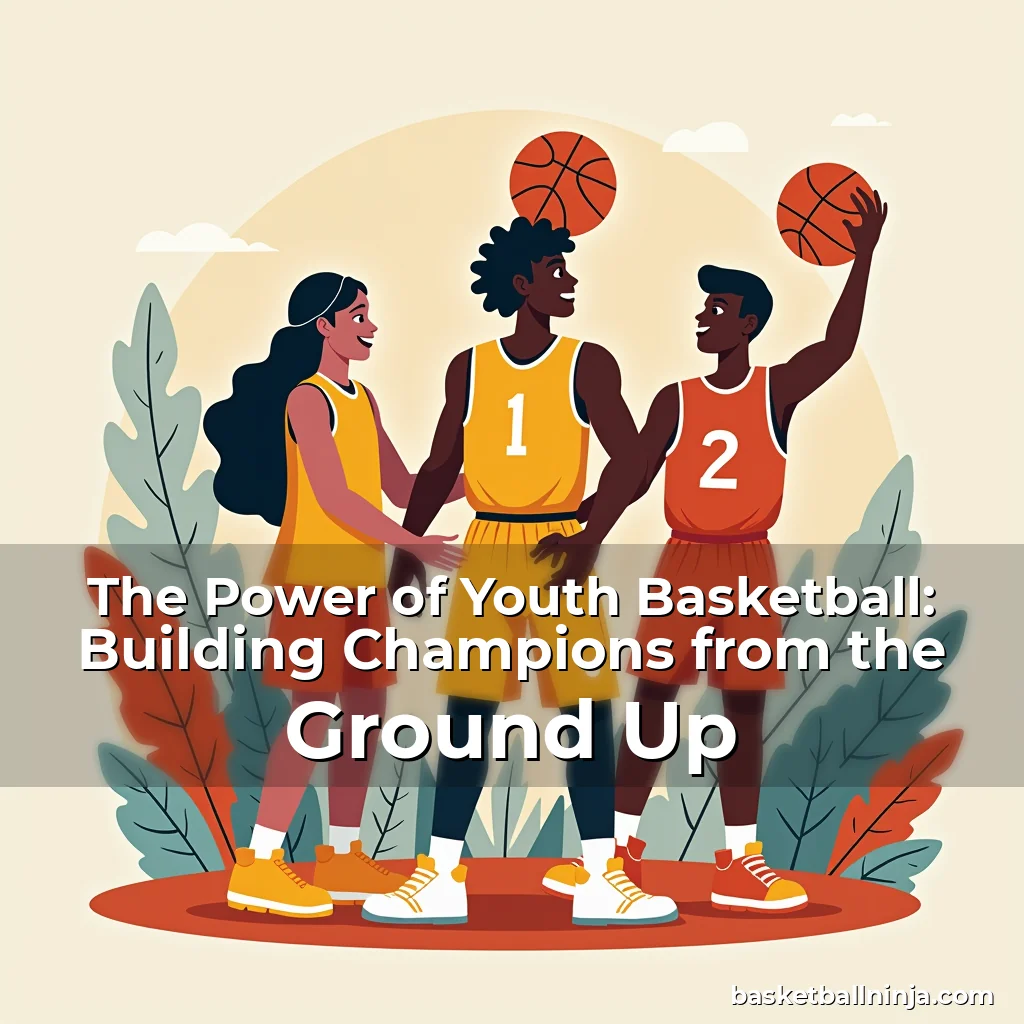
The Power of Youth Basketball: Building Champions from the Ground Up
Youth basketball is more than just a game—it’s a transformative experience that shapes young athletes both physically and mentally. From developing fundamental skills to fostering teamwork and discipline, the impact of organized basketball programs extends far beyond the court.
This guide explores how structured youth leagues, coaching strategies, and parental involvement create an environment where kids can thrive. Whether you’re a parent looking to support your child or a coach aiming to inspire future stars, understanding the nuances of youth basketball is essential.
Fostering Skill Development at an Early Age
Basketball fundamentals are best learned during childhood when motor skills develop rapidly. Young players benefit immensely from early exposure to dribbling, passing, shooting, and defensive techniques through age-appropriate drills.
Coaches play a crucial role by designing practice sessions that balance fun with skill-building activities. Incorporating games like one-on-one challenges or small-sided scrimmages keeps children engaged while reinforcing key basketball concepts naturally.
- Dribble control: Teaching finger placement, hand positioning, and body posture helps prevent turnovers and improves ball-handling abilities.
- Shooting mechanics: Emphasizing proper form—such as elbow alignment, follow-through, and footwork—is vital for long-term development.
Consistent repetition under expert guidance ensures these basics become second nature rather than conscious effort during high-pressure moments. This foundation sets players up for success at higher levels of competition.
Parents can reinforce learning by encouraging daily home exercises and attending practices regularly. Their presence creates motivation and accountability without overstepping their supportive role.
Cultivating Teamwork Through Competitive Play
Team sports teach invaluable life lessons such as communication, leadership, and resilience. In youth basketball settings, these qualities emerge organically through collaborative gameplay experiences.
Structured team environments provide opportunities for social interaction that build friendships and mutual respect among teammates. Coaches often use group activities focused on trust-building exercises like relay races or problem-solving tasks.
A strong team culture emphasizes shared goals over individual achievements. When players understand they contribute to collective success, they’re more likely to celebrate each other’s accomplishments genuinely.
Misunderstandings between teammates inevitably arise but serve as teaching moments about conflict resolution and empathy. Effective coaches address issues promptly using open dialogue rather than punitive measures.
Nurturing Mental Toughness Alongside Physical Fitness
Beyond physical conditioning, mental preparation is equally critical for young athletes striving to reach their full potential. Developing composure under pressure starts with creating safe spaces where mistakes are viewed as growth opportunities.
Incorporating visualization techniques allows players to mentally rehearse successful plays before executing them physically. This practice enhances confidence and reduces anxiety associated with new challenges.
Time management becomes particularly important as schedules fill with school commitments and extracurricular activities. Teaching prioritization skills helps maintain balance between athletic pursuits and academic responsibilities.
Sports psychologists working with elite teams emphasize mindfulness training which includes breathing exercises and positive self-talk routines tailored specifically for adolescent brains still undergoing significant developmental changes.
The Role of Parents in Supporting Youth Athletes
Parental engagement significantly influences a child’s attitude towards sports participation. Supportive parents act as cheerleaders who encourage perseverance even after losses or setbacks.
However, maintaining appropriate boundaries prevents well-meaning adults from becoming overly involved in tactical decisions better left to trained professionals. Respectful sideline behavior models healthy spectatorship habits for younger fans present at games.
Financial considerations also come into play regarding equipment costs, travel expenses, and membership fees associated with competitive leagues. Seeking out affordable local options or community-sponsored programs expands access without compromising quality instruction.
Open lines of communication between families and coaches ensure everyone remains aligned regarding expectations related to time investment versus actual playing minutes received by each athlete.
Selecting Appropriate Equipment for Young Players
Prioritizing safety begins with selecting suitable gear designed explicitly for youth sizes and capabilities. Ill-fitting shoes increase injury risk due to improper arch support or unstable traction features.
Basketballs used in youth divisions vary slightly in circumference compared to adult-sized versions; choosing appropriately sized balls promotes accurate technique formation earlier instead of correcting bad habits later.
Helmets aren’t typically required in recreational settings unless there’s concern about head injuries resulting from collisions near the basket area. Protective mouthguards remain recommended across all age groups however.
Regular maintenance checks help identify worn-out items needing replacement before they compromise player safety during intense activity periods common in tournament seasons.
Creating Balanced Training Schedules for Optimal Growth
Overtraining syndrome poses real risks to young bodies still growing and adapting physiologically. A well-planned regimen balances intensity levels with adequate recovery times between workouts.
Periodized training approaches gradually increase difficulty based upon seasonal calendars while allowing sufficient rest phases preventing burnout symptoms like chronic fatigue or loss of enthusiasm.
Monitoring signs indicating excessive stress includes irritability, sleep disturbances, or declining performance metrics despite consistent effort put forth by participants.
Flexibility within scheduling accommodates unexpected events ensuring overall wellness remains paramount alongside technical proficiency improvements sought through regular practice sessions.
Encouraging Lifelong Participation Through Positive Experiences
Positive reinforcement fosters intrinsic motivation that sustains interest in basketball throughout adolescence and adulthood. Recognizing personal progress rather than solely focusing on win-loss records maintains enjoyment factors central to continued participation.
Exposing children to diverse aspects of the sport—from streetball creativity to professional-level strategy—helps discover what excites them most personally about playing basketball.
Volunteer opportunities within club organizations offer alternative ways to stay connected with the game outside traditional playing roles fulfilling different interests potentially leading toward coaching careers down the line.
Celebratory traditions surrounding milestone achievements create memorable associations strengthening emotional bonds formed between players, families, and communities invested in nurturing talent responsibly.
Building Community Through Youth Basketball Programs
Local youth leagues frequently partner with schools and businesses to enhance accessibility for underserved populations lacking resources otherwise limiting their ability to participate fully.
Community events centered around youth basketball foster inclusivity promoting cross-generational interactions beneficial for both older residents seeking connection points and younger members building social networks safely.
Volunteer mentors recruited from existing player pools serve dual purposes providing role models while gaining leadership experience themselves preparing eventual transition into coaching positions.
These initiatives collectively strengthen neighborhood cohesion creating lasting relationships rooted firmly in shared love for competitive athletics combined with values emphasizing fair play principles universally respected across cultures worldwide.
Conclusion
Youth basketball offers unparalleled benefits shaping character, cultivating athleticism, and instilling lifelong values through structured yet enjoyable sporting experiences available nationwide today.
By embracing its multifaceted advantages—including skill acquisition, mental fortitude enhancement, and community building—you can actively contribute positively toward nurturing tomorrow’s champions right now within your own circles regardless of current level of involvement.

news is a contributor at BasketBallNinja. We are committed to providing well-researched, accurate, and valuable content to our readers.